

What is creativity? According to some researchers, creativity can be loosely defined as the ability to create something new from known concepts. It is a living, evolving force that is present in every individual. We use it to find solutions to problems, it has been the basis for the development of all cultures and the driving force behind personal development.
Creativity is a quality that we have exercised since childhood, even if some of us think that it is not so well developed. We all have it, as opposed to the 'creativity of the artist', which is more widely recognised as being specific to each of us. It needs to be worked on more. But what do artists need to do to develop this creative side?
Throughout history, and even today, many artists have been associated with mental disorders. But this is not true. There are some cases, but we should not generalise.
The human brain is an incredibly complex organ, and artists' brains show greater connectivity between different regions. Artists are admired for their ability to create.
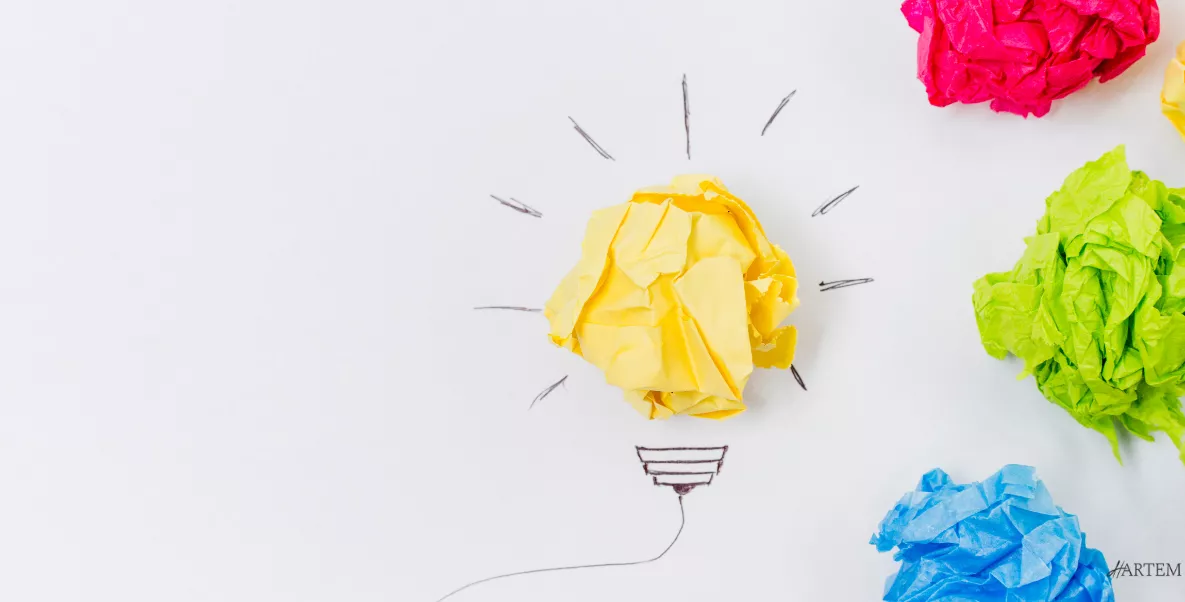
Even the most brilliant mind can sometimes run out of new ideas, this is called 'creative block'. A type of mental block that prevents you from imagining new concepts and developing any activity related to them. The feeling that you are unable to produce or access your own creativity. Artists, writers, directors, musicians... have experienced the creative process in all its stages, including this siege.
Pablo Picasso gave up painting for a few years and turned to poetry because he felt unfulfilled. Claude Monet stopped his production after the death of his wife, frustration and working against the clock caused him to collapse, as did Georgia O'Keeffe, who experienced this blockage due to work pressure and fear of failure.
Creative block can occur for many reasons: stress, fatigue, pressure, emotional aspects, culture, etc.
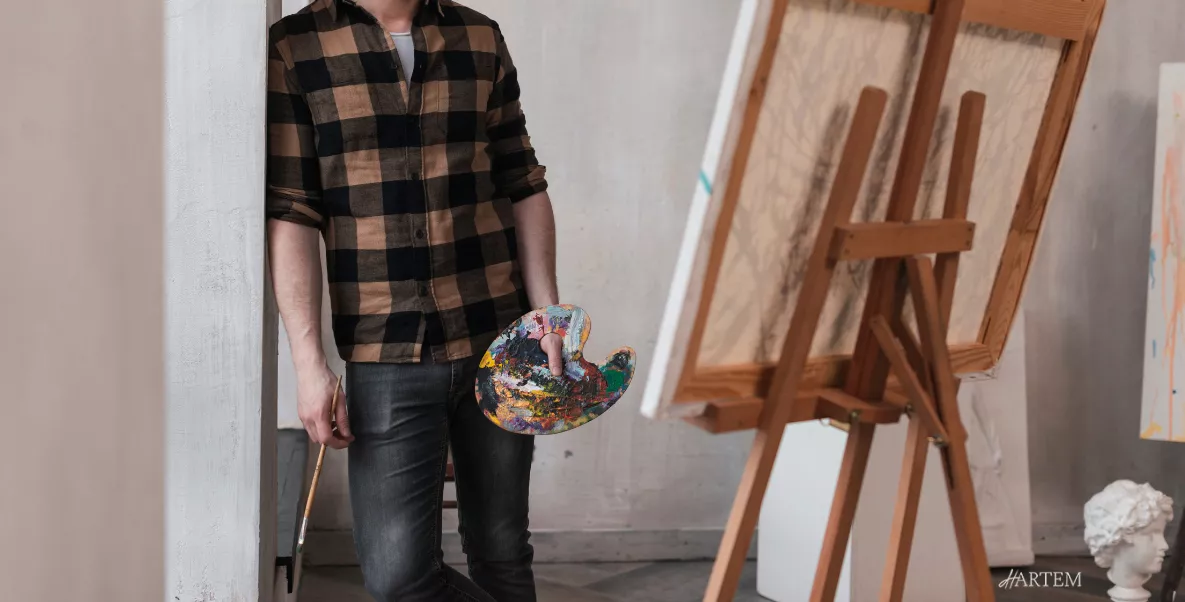
What can I do to stop experiencing it?
Breaking the block is possible, and in this article we give you some tips and tricks to help you regain your creativity. Although it may be difficult, the most important thing is to have patience and compassion.
- Relax and don't push yourself: when we lack concentration, we try to concentrate more, and this is a mistake. Your mind needs to relax in order to create again. Pressure is our enemy, and you will only make the blockage last for a longer time.
Don't strive for perfectionism, mistakes are part of the process and actually help you find new ways. - Switch: Do something different and get your mind off things. A change of scenery often works. Change the time, the place, even the decoration and lighting.
- Limit how much and when you work: don't set more goals than you can achieve on a daily basis, to avoid getting bogged down. Quality time is better than quantity.
A good way is to make a to-do list. Imagine little boxes, each with a goal in it, and you can't open the next one until you've finished the one you've already opened. - Look to others for inspiration: broaden your reference sources. Look at other people's work, but don't compare yourself. Defining your references will help you in your production and can serve as a source of inspiration. Social media and other platforms put a lot of ideas at our fingertips.
Sometimes you have to go out and look for the muses. - Get out of your comfort zone and try new things: stop being rational: blocking feeds on rationalisation. Experiment with other techniques, let yourself go. Go out of the box, don't think so much about it!
Even if you discover something surprising by experimenting, you don't always have to get a good result. Accept your mistakes. - Reconnect with your work: remember why you started your project, what it makes you feel, what your goals were. Consider the possibility of having to change a pattern.
- Experience sensations: connect with nature, read, travel to another place, try different food, visit a museum. Try to force this aesthetic experience.
- Rest: Allow yourself enough sleep or just sit and do nothing. Rest stimulates our creativity and makes it easier to connect concepts. You will have a better recall of what you have learnt from other

X
![]()
More tips:
Repeating the same exercise over and over again can be conducive to restarting our creativity. Our brains will inevitably get to work and possibly generate new ideas to improve and change our infinite drawing
People are under constant change. Even if we have routines, we like to break out of them from time to time so that we don't feel stagnant.
The first thing you should do to avoid the blank page syndrome is to look for the reason for it. Once you have identified it, it will be easier to find a solution.
Everyone is different; you just need to find what works best for you.
Trust yourself and your process; that's the most important thing!


