

Just as with oil paint, with acrylics you can use a range of mediums to alter drying time, texture and consistency, create effects and much more; these will make your artwork far more interesting and rich.
Here are some of the most notable ones:
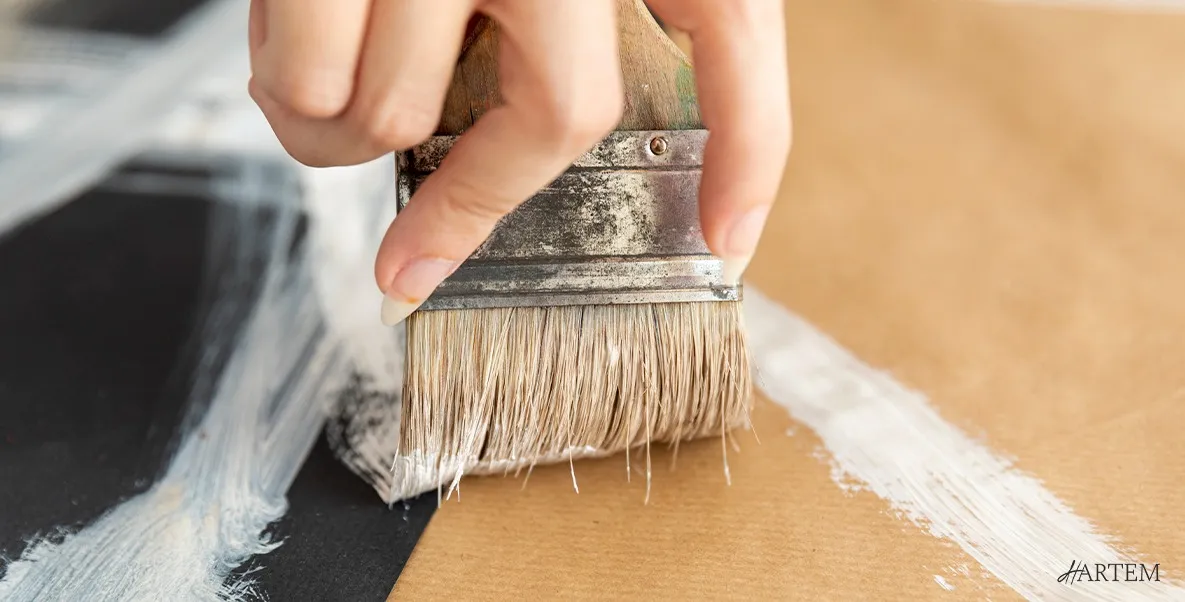
- Drying retarders: one of the main problems when working with acrylics is how quickly they dry; this can be solved by using a medium to slow down the drying process, extend your working time and achieve a more fluid and transparent consistency. Thanks to this, you can achieve smoother transitions between shades and colour gradients, as well as glazes for a brighter effect and a greater sense of depth.
X
![]()
- Finishing mediums: standard acrylic paint has a satin finish once dry, but you can achieve gloss or matt finishes, or use different mediums. When mixed with your paint whilst still liquid, they add body, improve flow, make application easier and increase or reduce the gloss of the final colour once dry.
- Gel mediums: these are slightly thicker but have the same properties as finishing mediums. They do not alter the consistency but do provide more body, making them easier to mix and apply.
- Glazing mediums:these increase the elasticity of the paint film and add transparency, enabling you to build up layers. They are white when liquid, but become colourless and transparent when dry, forming a water-resistant layer.
X
![]()
- Thickening or texturing mediums: to give the paint a thicker, denser consistency. They can be moulded to create a three-dimensional appearance, which is particularly useful for creating textures or sculptural effects in the painting. Mix in small quantities, taking care not to use too much, as this will result in a paint with a rubbery appearance that can no longer be used. The texturing medium, on the other hand, is applied to the base before painting, allowing for greater versatility when planning the artwork.
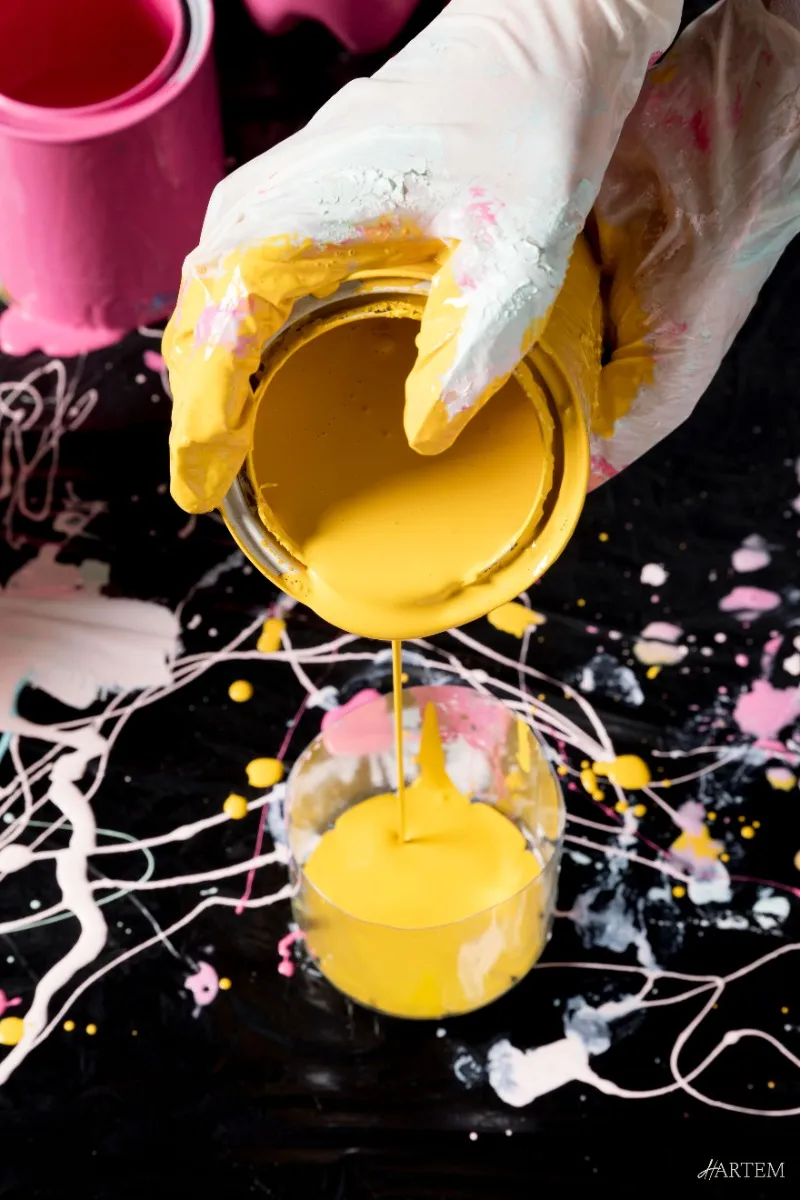
- Smoothing or pouring mediums: if, on the other hand, you want a very fluid paint for techniques such as pouring, you will need a smoothing medium, which increases elasticity without altering the paint’s properties. It is self-levelling and colourless when dry, although it reduces the gloss.
- Special-effect mediums: to achieve effects such as pearlescent, glitter, metallic, silver, iridescent or glow-in-the-dark finishes.
- Textural mediums: create textural effects with other types of mediums such as ceramic stucco, sand texture, glass beads, pumice and much more.
If you haven’t tried them yet, you won’t regret giving them a go. Did you know about all of them?


