Explore our Gallery and lose yourself in the realm of creativity and art. Discover tales, advice, and methods that will motivate you to pursue new avenues for artistic expression.
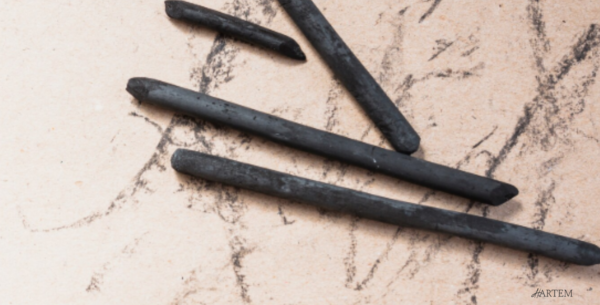
Do you know all the classic materials used in dry-media drawing? Charcoal, chalk or conté, and carrés are the basic materials in drawing, used to create delicate lines or fill in large areas. Although the terms are sometimes used interchangeably, there are differences between them, and it is important to be able to distinguish between them so that we can...
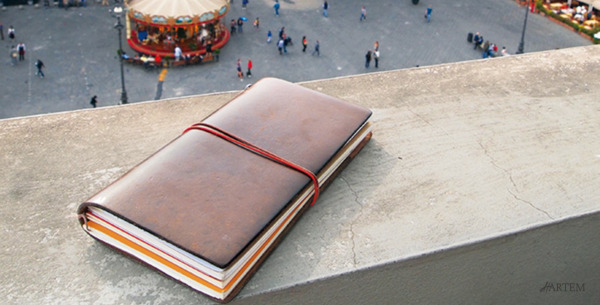
We finally have Traveler’s Company products on our website! If you’re interested in quality stationery and everything to do with journaling, you won’t want to miss this post.
The brand’s concept is based on creating notebooks that will always be by your side, in which you can capture the journey of your life. A luxurious experience for lovers of writing, travel and journaling. Continue reading →
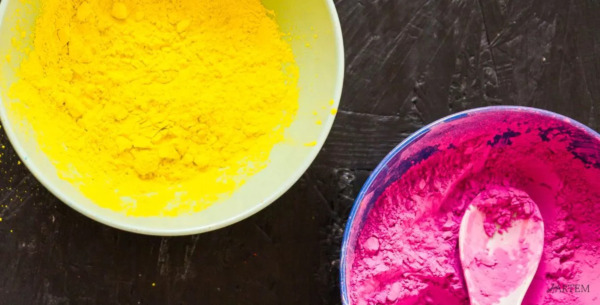
Have you ever found yourself mixing colours, only to realise that you just can't get the shade you need, no matter how hard you try? Or maybe you once managed to get it right, but can't seem to replicate the result? Did you know that you can make your own paint colours? Since prehistoric times, our ancestors have sourced pigments from nature and used them for painting. This practice continued into antiquity, with some of our most famous artists creating their own colours. A good example is the inspiration drawn from Yves Klein and his Klein blue for our own...
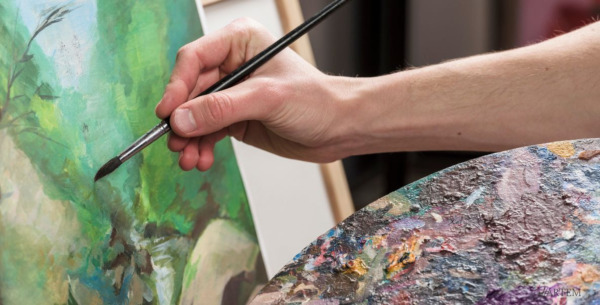
Do you use mediums for oil painting? If the answer is no, we recommend that you start. Using mediums for your oil painting will bring certain benefits to your methodology and the results of your work: they improve quality, adhesion and durability, reduce cracking, control drying time, achieve more fluid strokes, textures or a greater amount of product for each...
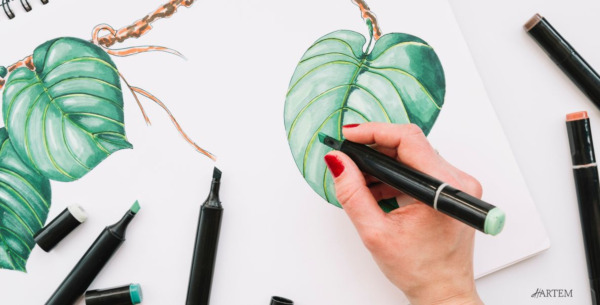
Markers or felt-tip pens are one of the most popular writing and drawing instruments. Contrary to popular belief, they are essential in any artist's kit, and knowing how to use them well is an art in itself. How many types of marker are there? We all used them before we even learned to write, for colouring and drawing. Although we...
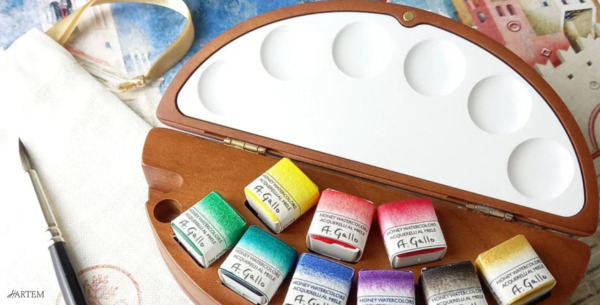
While there are many brands selling watercolours today, few meet the highest quality standards. In other words, these are watercolours developed by and for artists. A. Gallo is an Italian brand that specialises in manufacturing and selling some of the world's finest natural pigment watercolours. The company is renowned for its history, market innovation, professionalism, and attention to environmental detail...
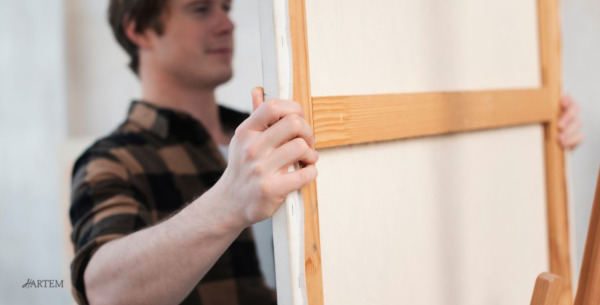
Do you know how to choose the right canvas size and dimensions? This is a subject that often raises more questions than answers when it comes to purchasing or installing canvas. The possibilities are vast, and the variety can be overwhelming. That's why we've decided to help you learn what you need to know to make the right choice. Different...
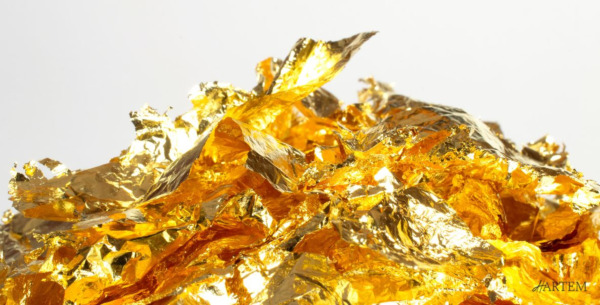
You might think that gilding is an outdated technique with limited applications. However, it has experienced a resurgence in popularity in recent years and is now used in a variety of applications. It is quite difficult to obtain metallic pigments and paints that have good covering power and the expected gilded effect, which is why gold leaf is used. Do...
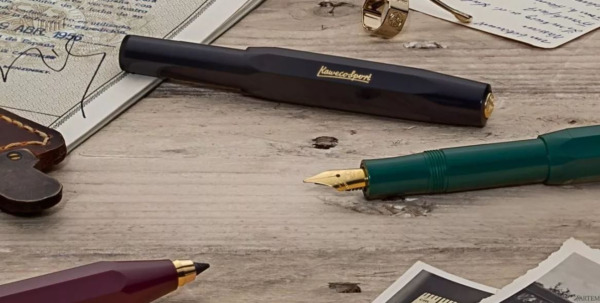
"Good things take time. The greatest things take even longer". This sentence begins to define the brand and company values of Kaweco. History of Kaweco Kaweco's history began in 1883 with the production of wooden fountain pens, alongside the import of gold fountain pens from the Heidelberg Pen Factory. The name 'Kaweco' did not appear in their directory until 1889...
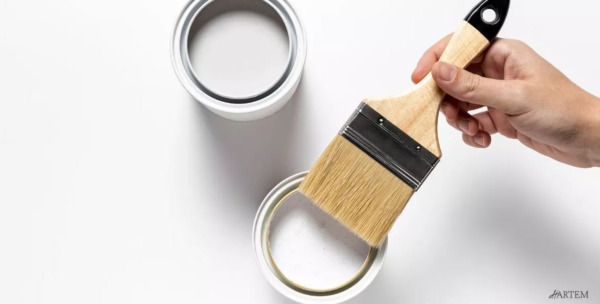
Varnishing is essential for preserving and extending the longevity of your artwork. It is essential for protecting surfaces from dust, light, humidity and other corrosive and environmental agents that can damage them, as well as adding depth, increasing colour saturation and unifying colours, and providing a specific finish. Where do I start? Firstly, we must wait for the paint to...